Salusbury Road rubbish removal guide for NW6 homes
Posted on 14/08/2026
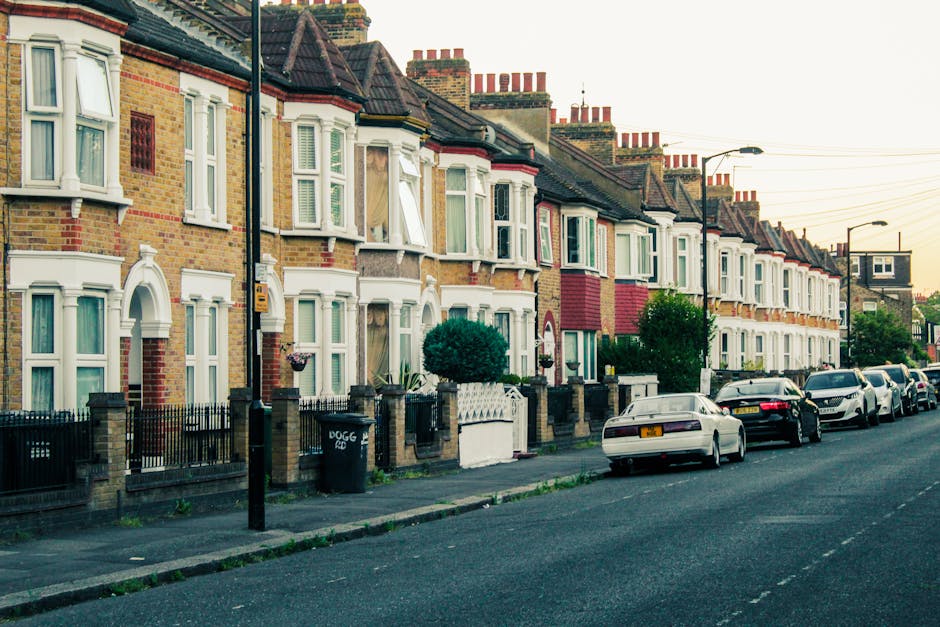
If you live near Salusbury Road, you already know how quickly clutter can build up. One broken wardrobe, a few bags from a clear-out, a bit of DIY debris, maybe some old garden waste after a busy weekend - and suddenly the hallway feels smaller, the shed is groaning, and the bins are nowhere near enough. This Salusbury Road rubbish removal guide for NW6 homes is here to make the process simpler, safer, and less stressful.
Whether you are moving out, decluttering a flat, clearing a house, or just trying to get rid of a bulky item that will not fit in the car, the right waste removal approach saves time and avoids a lot of faff. In a busy part of NW6, where access, parking, and shared entrances can all matter, a little planning goes a long way.
Below, you will find a practical walkthrough of how rubbish removal works, what to expect, where people usually go wrong, and how to choose the most sensible option for your home. Nothing fancy. Just proper, useful advice.
Why Salusbury Road rubbish removal guide for NW6 homes Matters
Salusbury Road sits in a part of NW6 where homes can range from compact flats to larger terraces and period properties, often with shared access, tight stairwells, or limited on-street space. That matters because rubbish removal is not just about lifting items out of the door. It is also about timing, access, safety, and choosing a method that fits the property.
In our experience, the biggest headache is not the rubbish itself. It is the awkward stuff around it: a fridge that will not fit through the narrow landing, builders' rubble that cannot be left in communal areas, or a house clearance that needs to happen quickly before viewings or a tenancy change. That is where a clear plan helps.
It also matters because improper disposal can create real problems. Bags left by the curb for too long attract attention, bulky waste can block communal pathways, and careless handling can damage walls, lifts, or flooring. Let's face it, nobody wants to clear rubbish only to create a second mess.
For many NW6 households, rubbish removal is also tied to life changes: moving, refurbishing, welcoming a new baby, looking after an older relative, or finally tackling the spare room that has become a storage archive. The job may be simple, but the context is often not.
If you are comparing local options, it can help to understand the wider service picture first. A good starting point is the services overview, which shows how different types of household and property clearances are usually handled.
How Salusbury Road rubbish removal guide for NW6 homes Works
Rubbish removal for a home near Salusbury Road usually follows a fairly straightforward process, though the details vary depending on the load. The basic idea is simple: identify what needs removing, arrange the collection, prepare access, and make sure everything is taken away responsibly.
Most jobs start with a quick assessment of the waste type and volume. Is it mixed household rubbish? Heavy builders' waste? Garden cuttings? Furniture? White goods? Different items may need different handling, and some require careful separation. A sofa and a pile of plasterboard are not the same job, even if they are both sitting in the same room.
For domestic clear-outs, many households opt for a one-off collection, especially when the items are too much for normal council bins or too bulky to move alone. If that sounds like your situation, the domestic rubbish route is often the most practical. You can see the sort of service commonly used for this on the domestic waste collection service.
Where the waste is heavier, awkward, or generated by works, the collection approach can change. Building debris, broken tiles, and timber offcuts often need a builders' waste solution rather than a standard household clear-out. Likewise, old armchairs, wardrobes, and tables may be best handled through a dedicated furniture removal option, while a neglected front or back garden may need a separate green waste collection. The point is to match the waste to the method.
In a real NW6 home, that might mean a morning collection for mixed household items, followed by a second, separate load for a broken appliance or a dismantled shed. Not glamorous, but efficient.
Key Benefits and Practical Advantages
The biggest benefit is time. When rubbish removal is handled properly, what could take a whole weekend of lifting, sorting, loading, and driving becomes a much shorter job. That matters when you have work, family, or a move to juggle.
There is also the practical benefit of reduced strain. Heavy or sharp waste is awkward to handle, and people often underestimate how quickly an object can become a back injury. A good removal plan keeps the lifting to a minimum and reduces the chance of damage to your home.
Another key advantage is cleaner space, faster. A cleared hallway or spare room changes the feel of a home almost immediately. You notice the light again. You notice the floor space. Sometimes you even remember why you liked the room in the first place. That sounds dramatic, but it is true.
For many residents, rubbish removal also brings peace of mind. Knowing the waste will be taken away by a properly run service, rather than left in piles or split into multiple trips, makes the whole experience easier. If sustainability matters to you, that reassurance is even more valuable. You can read more about recycling and responsible handling through the site's recycling and sustainability approach.
And then there is compliance. Using a legitimate waste carrier reduces the risk of fly-tipping or fines linked to illegal disposal. That alone is reason enough to be selective.
Who This Is For and When It Makes Sense
This guide is for NW6 homeowners, tenants, landlords, and property managers who need rubbish removed from a home on or near Salusbury Road. It is especially useful if you are dealing with:
- a one-off declutter after years of storing items "just in case"
- a tenancy end and an urgent clear-out
- pre-sale tidying before photographs or viewings
- post-renovation waste after decorating or repairs
- old furniture that is too bulky for normal collection
- white goods that need safe disposal
- garden waste after pruning, hedge cutting, or a redesign
- mixed household waste after a move or bereavement
It also makes sense if you live in a flat with shared access. Shared staircases, lifts, and entrances can complicate disposal, especially when items are large or there are time restrictions. In those cases, a well-organised collection is much easier than trying to piece together multiple DIY trips.
Landlords and letting agents in particular benefit from having a repeatable process. A clean, empty property photographs better, relets faster, and avoids those awkward last-minute calls from contractors who have found another abandoned mattress. It happens more than people think.
If you are mainly dealing with large household items, you may also find the furniture-specific service helpful: furniture removal in Queens Park. For appliances, the relevant route is usually white goods and appliance disposal.
Step-by-Step Guidance
Here is a sensible, no-nonsense way to organise rubbish removal for a home on Salusbury Road.
- Sort the waste by type. Put furniture, general rubbish, garden waste, and building debris into separate groups where possible. This makes quoting and loading much easier.
- Identify bulky or hazardous items. Fridges, freezers, mattresses, paint tins, sharp metal, and electrical items may need special handling.
- Clear access routes. Move bikes, prams, shoe racks, and anything else that might get in the way. A clear hallway saves time and reduces bumps and scrapes.
- Check parking and access. On a busy road, access can be the make-or-break issue. If the collection vehicle needs close loading space, plan this early.
- Take photos if you are unsure. A few clear pictures of the waste usually help the provider understand the job more accurately. Nothing fancy, just practical.
- Ask about disposal handling. If you want items recycled where possible, make that clear before booking.
- Confirm the collection window. A narrow time window is helpful if you are working around school runs, deliveries, or a move-out deadline.
- Keep any valuable or sensitive items separate. It sounds obvious, but in a rushed clear-out it is easy to sweep up the wrong pile.
For properties undergoing renovation, the same structure works, but the waste list is usually more mixed. A small kitchen refit may create cupboards, packaging, cutoffs, and rubble all at once. In that situation, a builders' waste solution is often the cleanest fit. You can see the kind of service that covers this on the builders' waste removal page.
A simple habit that helps? Label piles with tape or a note. It sounds almost childish, but it saves mistakes when several people are helping. A box marked "keep" really does prevent some awkward surprises later.
Expert Tips for Better Results
First, do not underestimate access. On Salusbury Road and the surrounding NW6 streets, the hardest part of rubbish removal is often getting items out cleanly. Measure wide items before collection day. Check stair turns. Look at door handles, banisters, and any tight corners that might snag a sofa or wardrobe.
Second, keep fragile surfaces protected. If you are moving items through a narrow flat, a blanket or cardboard sheet can prevent scuffs on walls and skirting boards. It is a small thing, but it saves a lot of irritation.
Third, separate electricals and recyclables early. Even if the final load is mixed, having things grouped beforehand helps the crew work faster and reduces the chance of recyclable material being bundled in with general rubbish. That is especially useful if sustainability is part of your decision.
Fourth, be realistic about volume. People often say, "It's just a few bags," and then reveal a mattress, two broken desks, a deconstructed wardrobe, and a small pile of mystery items from the back of the shed. Happens all the time. A quick visual estimate is usually better than guessing.
Fifth, ask about timing if your property has neighbours close by. Morning collections can be preferable where noise, shared corridors, or parking pressure are an issue. Not always, but often.
Finally, if you are comparing costs, make sure you are comparing the same scope. Some quotes include loading, lifting, disposal, and labour. Others may not. The price only means something when you know what it includes. For more on that, the pricing and quotes information is worth reading before you book.

Common Mistakes to Avoid
One of the biggest mistakes is mixing everything together and hoping it will sort itself out later. It rarely does. A clear mix of household rubbish, timber, and old appliances can create delays or unexpected costs if the load needs extra sorting.
Another common issue is leaving the job too late. If you have a moving date, a check-out inspection, or trades arriving first thing, last-minute rubbish removal can become very stressful. A day or two of breathing room makes a huge difference.
People also forget about access restrictions. A narrow street, busy parking bays, or a shared entrance can change the plan quite a bit. If the collection team cannot get close enough, the job may take longer than expected. Sometimes much longer.
Do not assume every item can go in the same category. Fridges, freezers, and some electronic items often need special handling. Paint, chemicals, and anything potentially hazardous should be flagged before collection. Even if it seems harmless, mention it. Better safe than sorry.
And avoid choosing a provider only because the quote looks cheapest on the page. The lowest price can be fine, of course, but only if the job details are clear and the service is properly insured and compliant. A cut-price mistake is rarely a bargain.
Tools, Resources and Recommendations
You do not need a lot of equipment to organise rubbish removal, but a few simple tools make the job easier:
- Gloves for light sorting and safe handling
- Strong sacks or boxes for small loose items
- Marker labels to separate keep, donate, and remove piles
- Measuring tape for bulky furniture and awkward access
- Phone camera to send clear waste photos if needed
- Blankets or cardboard sheets to protect floors and walls
On the planning side, a good recommendation is to think in stages. First remove obvious waste, then bulky items, then anything delicate or awkward. That sequence keeps momentum and reduces the feeling that you are drowning in clutter before you even begin.
If the home is being emptied completely, the broader house clearance route may be more suitable than a standard one-off collection. In those cases, the house clearance service is often the better fit.
For those who want to know more about the people behind the service, the company background is outlined on the about us page. And if you are checking practical reassurance points such as transport, handling, and site safety, the insurance and safety guidance is useful reading.
Law, Compliance, Standards, or Best Practice
Rubbish removal is not just a practical task; it is also a compliance issue. In the UK, waste must be handled responsibly, and anyone carrying waste for hire or reward should be properly authorised. For householders, the main thing is to use a legitimate waste carrier and keep a sensible record of who collected the waste.
The exact legal responsibilities can vary by situation, but best practice is fairly consistent: check that the provider operates properly, avoid passing waste to anyone who seems vague about disposal, and ask how recyclable material is handled. If the answer is unclear, that is usually a warning sign.
It is also worth keeping a clean paper trail for larger clear-outs, especially if you are a landlord, agent, or homeowner preparing for a sale. A dated quote, confirmation, or invoice can help show that waste was dealt with responsibly. Nothing overcomplicated. Just tidy records.
For readers who want a straightforward explanation of the company's compliance approach, the waste carrier licence and compliance information sets out the right sort of standards to look for. You may also want to review the terms and conditions before booking, especially if access or item type could affect the job.
And one more practical point: if you are disposing of appliances, garden cuttings, or builder waste, do not simply assume the same route suits everything. Waste streams are different for a reason.
Options, Methods, or Comparison Table
Here is a simple comparison of the most common rubbish removal approaches for NW6 homes.
| Method | Best for | Pros | Watch out for |
|---|---|---|---|
| DIY trips to the tip | Small amounts of manageable waste | Flexible if you have time and a vehicle | Multiple journeys, parking, lifting, and disposal rules |
| Standard domestic collection | General household rubbish, bulky items, mixed clear-outs | Fast, convenient, less heavy lifting | Needs accurate description of what is being removed |
| Furniture removal | Sofas, tables, wardrobes, beds | Good for bulky items and flat access | Access and disassembly may still matter |
| Garden waste removal | Hedge cuttings, branches, soil, outdoor clear-ups | Helpful after landscaping or seasonal maintenance | Heavy loads can be more labour-intensive than they look |
| Builders' waste removal | Rubble, timber, tiles, renovation debris | Designed for construction-related material | Mixed waste may need separating before collection |
In simple terms: if you have a small, tidy load and plenty of time, DIY can work. If you have bulky items, no parking patience, or a deadline breathing down your neck, a managed collection is usually the calmer choice. And calmer matters more than people admit.
Case Study or Real-World Example
Picture a typical NW6 flat close to Salusbury Road. The residents are preparing to move out. There is a sofa that has seen better days, two bookcases, several black sacks of mixed household rubbish, an old microwave, and a few boxes from the airing cupboard that nobody has opened in years. The hallway is narrow. The building has shared access. The move-out is tomorrow afternoon.
Rather than trying to handle everything in a rush, the sensible approach is to sort the load into clear groups, remove anything worth keeping, and photograph the larger pieces. The waste provider can then understand whether this is a standard domestic clearance or whether items like the microwave and mixed waste need separate handling. The collection is scheduled for a time that avoids the school-run rush, and the pathway to the front door is cleared beforehand.
The result? Less stress, fewer trips, and no pile of items left waiting in the communal area. That last part is a big one. Nobody wants to be the flat with the rogue sofa by the front steps on a Thursday evening.
If the same home had also needed the disposal of old appliances, the job would likely have benefited from a dedicated appliance route as well. Small details, but they matter. A lot.
Practical Checklist
Use this simple checklist before your rubbish collection day.
- Sort waste into clear categories
- Remove anything you want to keep, donate, or sell
- Measure large furniture and appliances
- Check stairs, lifts, doors, and tight corners
- Make parking or access arrangements where possible
- Separate electricals and potentially hazardous items
- Clear the route from the waste to the exit
- Take photos if you need a more accurate quote
- Confirm the collection time and any access notes
- Keep confirmation details for your records
That checklist may look basic, but honestly, it prevents most of the common problems. A little preparation is usually worth more than one more round of guesswork.
Get a free quote today and see how much you can save.
Conclusion
Salusbury Road rubbish removal does not need to be complicated. The trick is to match the service to the waste, prepare access properly, and avoid the usual traps around bulky items, mixed loads, and last-minute rushing. For NW6 homes, that often means thinking a little more carefully than you would for a simple bin day.
If you get the sorting right, ask sensible questions, and choose a compliant waste carrier, the whole thing becomes much easier. You clear the space, protect your home, and avoid unnecessary stress. Not a bad outcome for what starts as a pile of junk in the corner, really.
And once the clutter is gone, the room feels different. Brighter. Lighter. More yours again. That part never gets old.